
Avoid Pitfalls When Managing Your Waste Streams
The proper management of waste is crucial for both environmental protection and public health. Mistakes in handling waste can lead to harmful consequences, such as pollution and health risks. Understanding these errors helps you implement better practices and comply with regulations. This guide highlights common mistakes that occur during disposal processes and offers insights on how to avoid them.
Lack of Proper Segregation
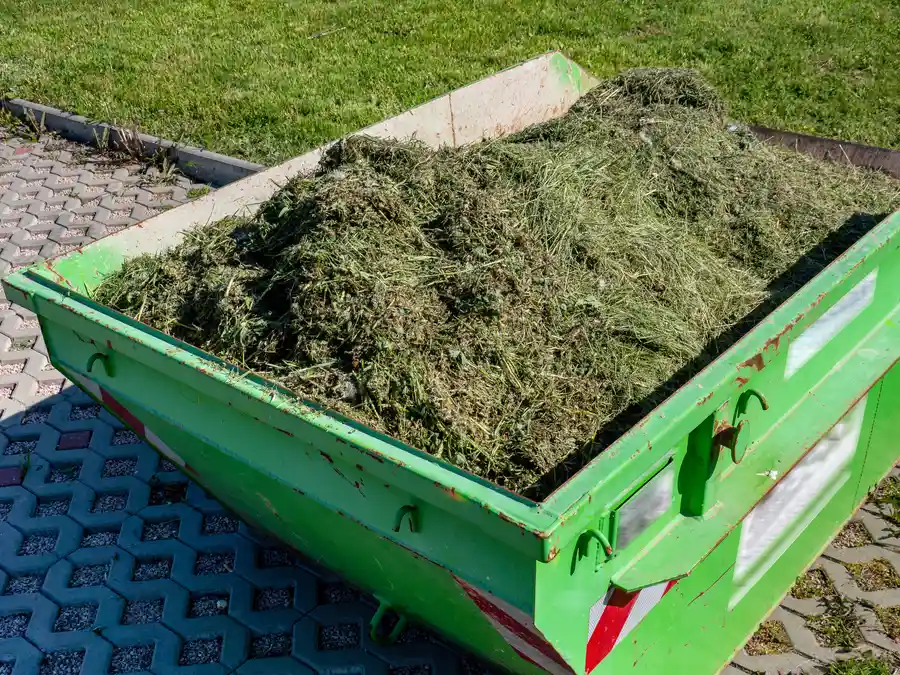
One of the most frequent issues during waste disposal is the failure to segregate waste correctly. Different types of waste require unique handling methods. Mixing hazardous waste with non-hazardous materials can pose significant risks. To avoid this mistake, ensure that waste is sorted into categories like recyclables, hazardous materials, and general waste before disposal.
Ignoring Local Regulations
Many people overlook the importance of adhering to local laws governing waste disposal. Each area may have specific rules about what can be thrown away, where, and how. Ignoring these can result in penalties or environmental damage. Familiarize yourself with your local guidelines to ensure compliance and avoid legal issues.
Inadequate Storage Solutions
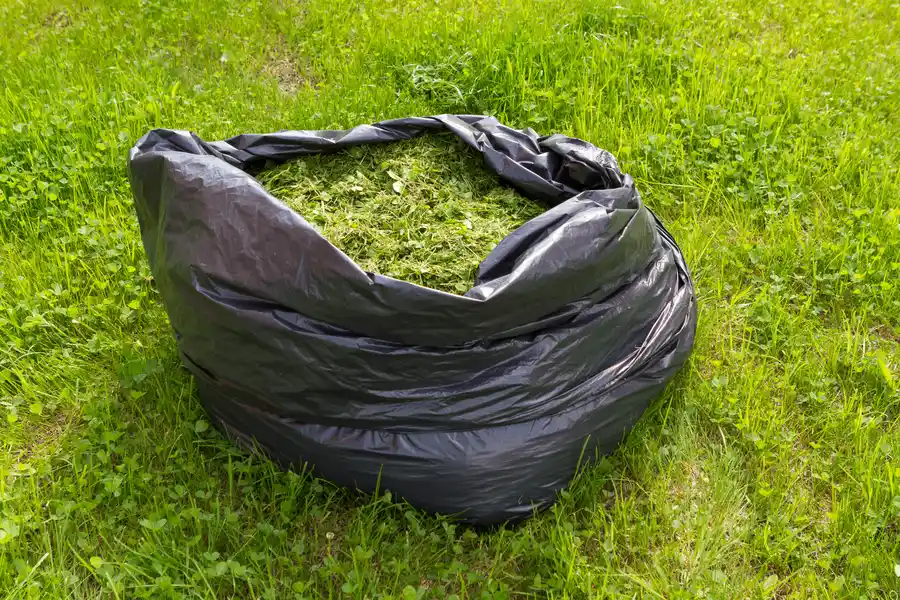
Proper storage is essential for safe waste management. Inadequate storage can lead to leakage and contamination. Ensure that all containers are suitable for the type of waste they hold and are clearly labeled. Regular inspections help you maintain the integrity of storage solutions over time. Evaluate your current systems and make improvements where needed.
Infrequent Collection Schedules
Another problem is not scheduling frequent enough waste collections. Letting waste accumulate increases the risk of spills, odors, and pest infestations. Establish a collection schedule based on your waste production rate to prevent these issues. Regular pickups ensure your premises remain clean and hazard-free.
Overlooking Employee Training
Your team needs proper training to handle waste effectively. Untrained employees may mishandle materials, leading to accidents or regulatory breaches. Provide regular training sessions covering best practices in waste management. These should include safety protocols and updates on any changes in procedures or regulations.
Failing to Utilize Waste Disposal Services
Many businesses do not take advantage of professional waste disposal services. Handling all waste internally can be inefficient and risky. Hiring a specialized company ensures compliance with all legal requirements and enhances safety through expert handling. By outsourcing these tasks, you also free up time for other business activities.
Emphasizing Sustainable Practices
- Adopt recycling programs to minimize landfill use
- Implement composting for organic waste
- Encourage the use of reusable products within your organization
Making Environmentally-Conscious Choices
Sustainable practices benefit both your business and the planet. Encourage recycling and composting to reduce landfill dependency. Promoting reusable products cuts down on waste generation. Implementing these initiatives may require an initial investment but will lead to cost savings and a greener footprint.
Your Next Steps for Effective Waste Management
Effective management starts with understanding potential pitfalls. By recognizing common mistakes in waste processes, you can take proactive steps to improve your systems. Utilize trained staff, stay updated on regulations, and seek professional assistance when necessary. For expert guidance and comprehensive solutions, reach out to Brians Junk Removal. Located in Lancaster, CA, our experienced team is ready to assist with all aspects of waste management. Contact us today at (818) 399-4022 to enhance your practices and protect our environment.